Price Discrimination and Self-Incrimination

Posted in Economics, Observation on May 3rd, 2010 by P. Econmancer

I just got done reading The Undercover Economist by Tim Harford. It was an enjoyable book and I wanted to post about the part I found to be the most interesting- price discrimination by businesses and self-incrimination by consumers.

Harford explains that there are people that, for countless reasons, are willing to pay more than the general population for goods and services. He then shows three ways stores encourage certain customers to pay more for the products they buy; Unique Targeting, Group Targeting, and Self-Incrimination.

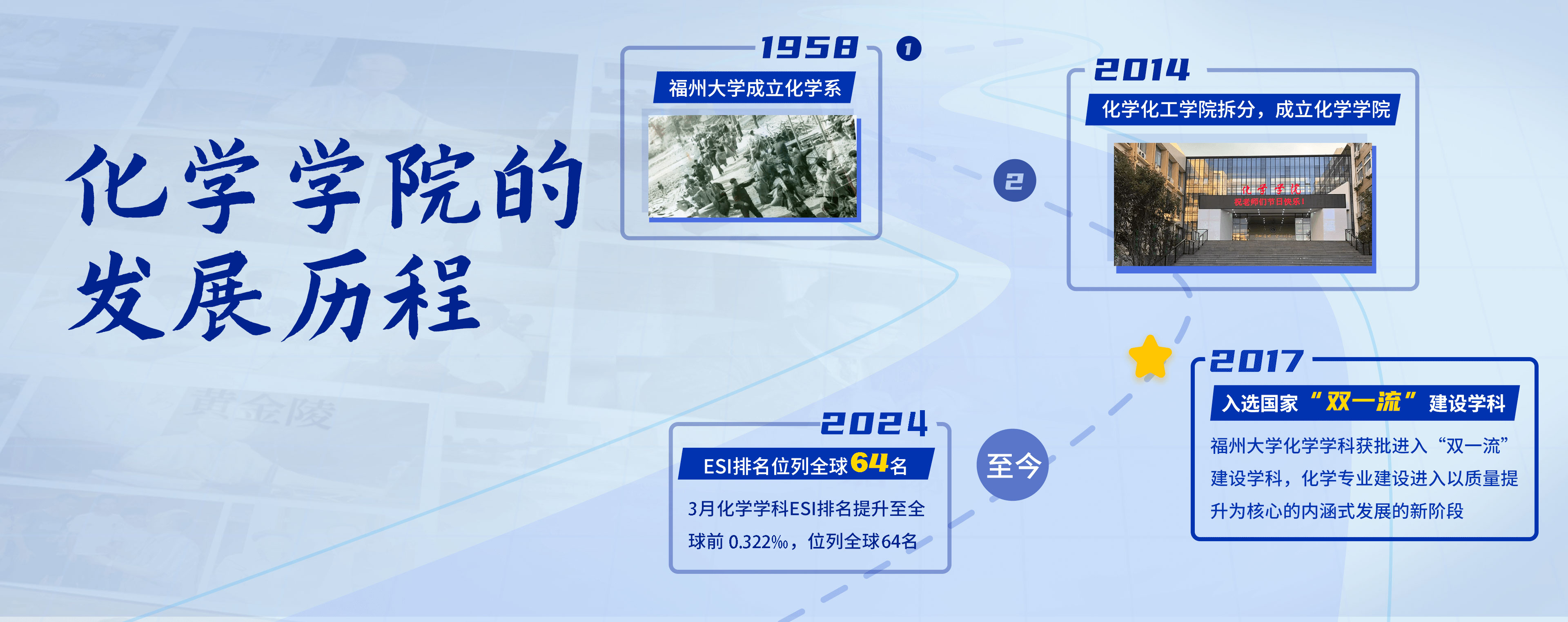
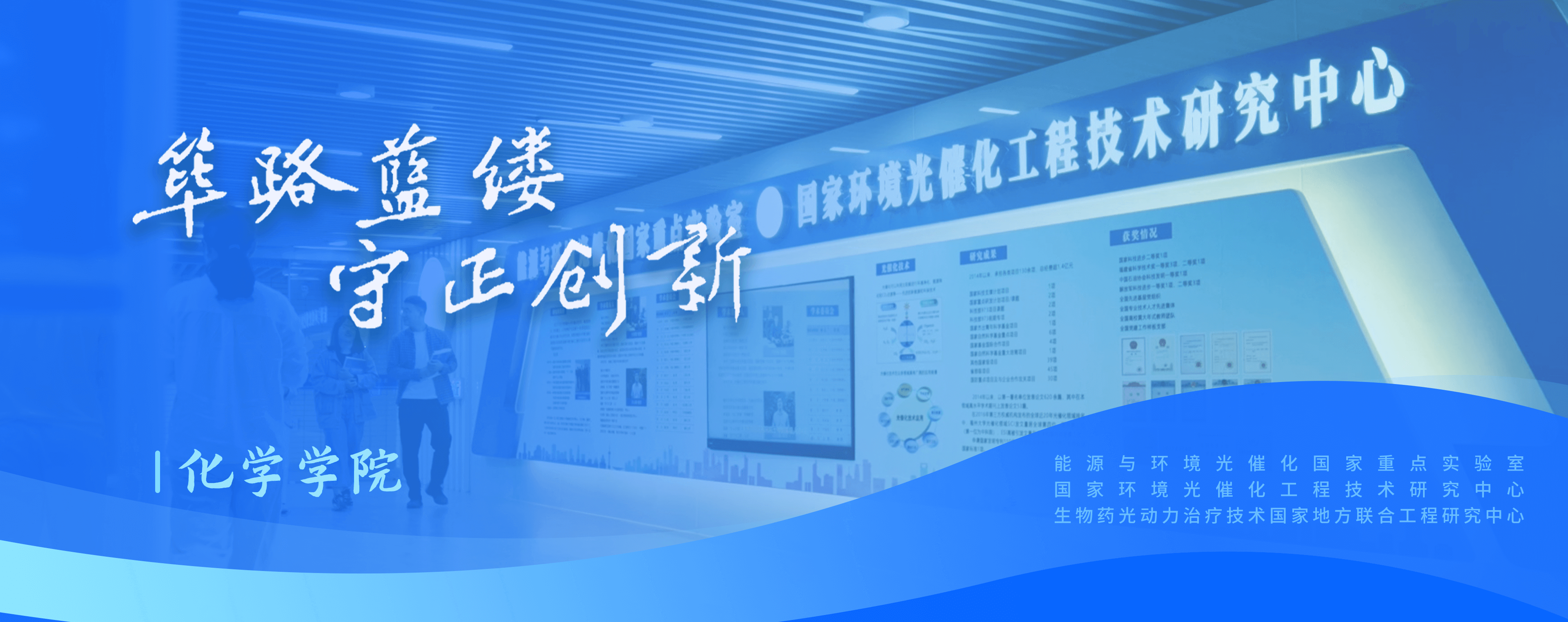
I admire the Self-Incrimination method the most and I’ve searched out local examples since reading this book. Price discrimination is everywhere and you can save money by looking out for it. I have, as an example, included two photographs of food taken at Target. Target has ramen noodles in two spots inside the store. On the pasta aisle you can purchase one brand of ramen noodles for a little over $.10.

On the Asian food aisle (only one aisle over from pasta) you will find a different brand of ramen noodles for $.70 per package.

I see two things happening here, Target gets people that don’t take time to search for the cheaper noodles elsewhere in the store, and Target gets people willing to buy a “premium” brand of ramen noodle at a higher price (7 times higher!). I purchased both brands, just to make sure the expensive brand wasn’t lined with 24k gold foil, and I couldn’t tell a difference in quality or taste.

From Amazon:
Maruchan Ramen Noodle Soup – 36/3oz

-P. Econmancer

Post to Twitter

Tags: , , , , , , , ,

Narrow Aisles in Stores

Posted in Economics, Observation on May 2nd, 2010 by P. Econmancer

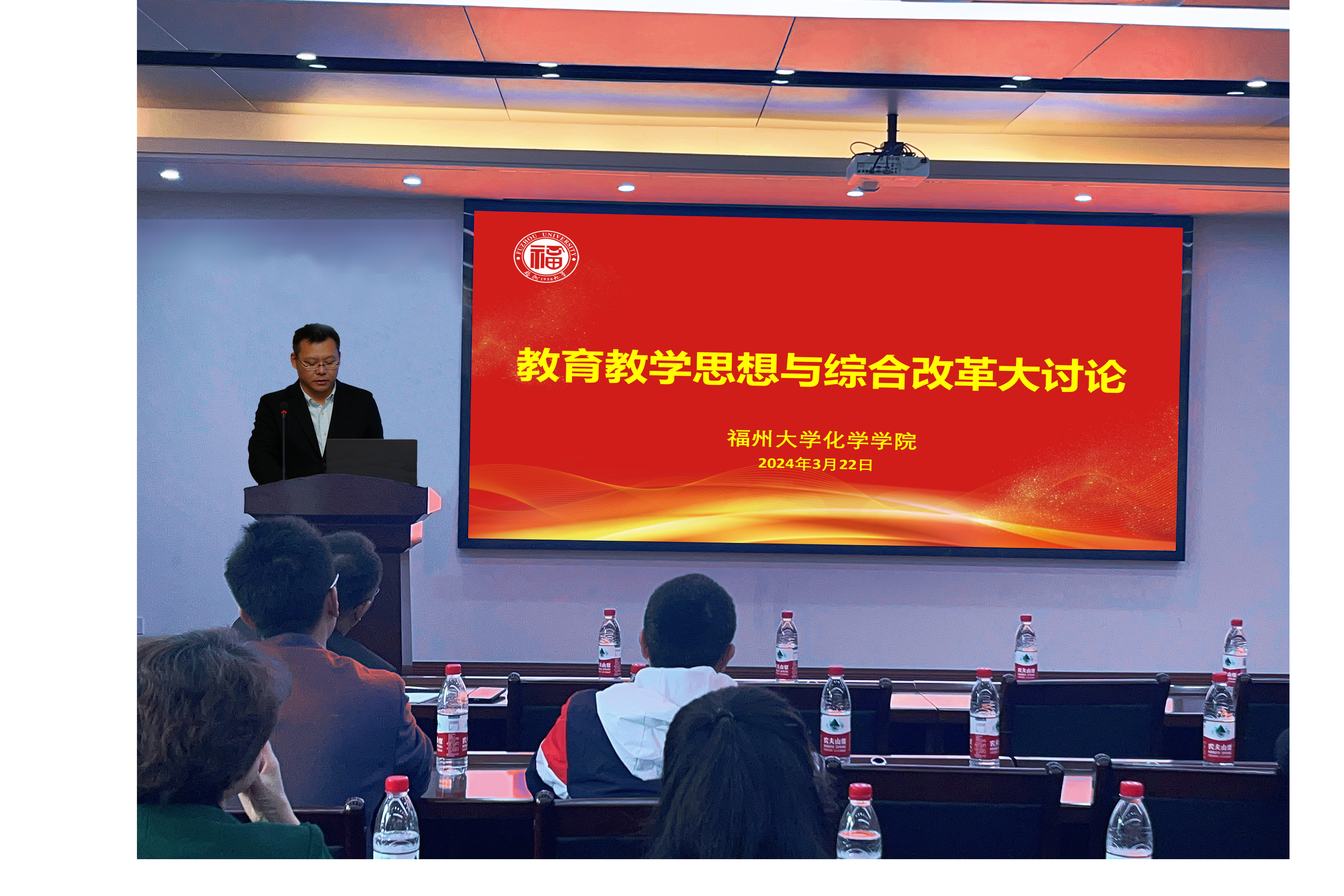
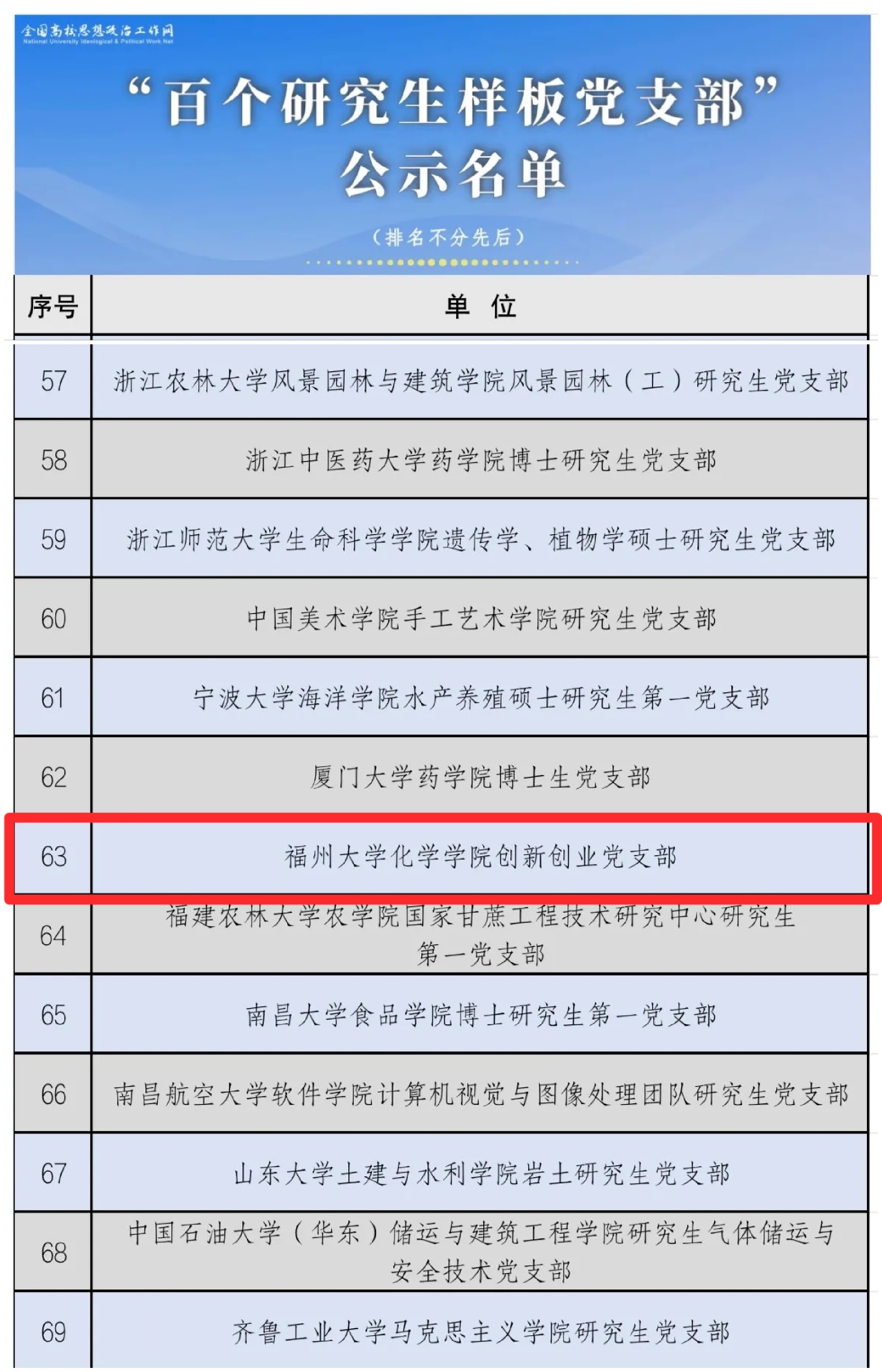
Top: Pasta/soup aisle ~8.5 feet across | Bottom: Cereal aisle ~7.5 feet across

The next time you are at Target, count the number of floor tiles across the cereal aisle or candy aisle and then count the tiles on any other food aisle. The candy aisle and cereal aisle are a foot narrower than the other food aisles. I’d assume it’s so parents can’t keep kids from grabbing items on those aisles no matter how centered they set the cart. The parents are then more likely to buy the item to prevent a tantrum from the child when the child sees the item being taken from then and put back on the shelf. That’s all well and good, but Wal-Mart doesn’t narrow these aisles. I’ve measured.

Why wouldn’t Wal-Mart take advantage of this if it is to increase sales? Why does Target do this if it doesn’t really increase sales? Maybe my theory is wrong and it’s not about increased sales, but nothing is random in store design. What advantage does Target get from this and why does Wal-Mart not want/get that same advantage? I don’t have answers, but it sure is annoying when you have more than two people going down the cereal aisle at the same time.

The frozen food aisles are the widest in the store, but that makes sense because it leaves room for the doors to be opened on both sides and still allow people to pass.

(the difference in angles on these two photos adds to the narrowing effect, it doesn’t look that dramatic in person, but there is a physical difference you can see when you are there even without measuring the width)

-P. Econmancer

Post to Twitter

Tags: , , , , , , , , , , ,

BAIC’s SAAB Purchase and The Price of Aftermarket Parts

Posted in Economics on December 14th, 2009 by P. Econmancer

BAIC wants to create cars based on the SAAB 9-5 and 9-3. It makes me wonder what will happen to the price of parts for these two SAAB models.

My thoughts are that prices for certain 9-5 and 9-3 parts will go lower. The availability of more parts that are compatible with the vehicles will give SAAB owners more choice and this will put pressure on the current part companies to lower their prices. Regardless of if you’d put these new parts on your SAAB, the current part makers will still need to adjust prices to compete, so cheaper Scan-Tech and Elring parts could soon follow.

But what parts will be available and at a lower price? There have been a lot of changes to these cars over the years and BAIC, I can only assume, will be using the more recent designs. The number of parts my 2000 9-5 has in common with a current 9-5 is limited. For example, I wouldn’t expect the price of the neutral safety switch for my car to go lower because it was updated by SAAB years ago and the new part isn’t compatible with my SAAB.

One part I can picture being lowered in price is the Direct Ignition Cassette. These go out fairly regularly, can’t currently be repaired, and are pricey enough that people would look for an alternative. It’s the part I’d produce if I was in the aftermarket business.

The Throttle Body would be another great candidate for a lower priced alternative. They’re expensive to replace and the wiring inside them has a tendency to rot.

How about low priced Saab Information Displays? It seems every 9-5 and 9-3 owner fights missing pixels on the SID. Repairs exist, I’ve even fixed mine own SID, but a cheaper replacement would be nice. Mass airflow sensors, Alarm units, and Crankshaft Position Sensors are some others that I can picture going down in price.

What about the turbo? Will these new designs be turbocharged and which turbo will they use. Personally, I’d use the TD-04 turbo on all of them. I don’t see the TD-04 going down in price because it’s already a commonly used turbo. What if they do use the GT-17 turbo from the light pressure SAAB models? They’re surely not buying the design from Garrett, so they would have to rely on them as a supplier, but the additional vehicles could lower the price of a GT-17 turbo because they would help make this fairly rare model of turbo more in demand.

It will be interesting to see what BAIC does with the 9-5 and 9-3 designs and what happens to the aftermarket parts prices once the new vehicles are up and running.

-P. Econmancer

Post to Twitter

Tags: , , ,
Get Adobe Flash playerPlugin by wpburn.com wordpress themes